Chelsea removals in Chelsea

Chelsea removals in Chelsea should feel organised from the first conversation through to the final item being placed where you want it. We provide a practical removals service for homes and flats, with support that can include lifting, loading, transport and careful positioning at the destination. If you are moving a few essential rooms or a fuller household, the aim is the same: a clear plan, tidy handling and a straightforward service that keeps the day moving.
We work with customers who need house removals, flat moves and smaller man and van support, so the service can be shaped around the scale of the move rather than forcing you into a fixed approach. That means the job can focus on the parts that matter most, such as access, heavier furniture, delicate items or coordination around a building with stairs, lifts or loading restrictions. Clear preparation and sensible routing help keep the move efficient and manageable.
For a first step, you can use our page on pricing and quotes to request more information and begin planning your move. If you are comparing options, the details below explain the main service areas and how they fit together, so you can decide what level of support is most suitable before you get in touch.
Home removals and house moving support
Chelsea home removals often need a balance of care and organisation, especially where household contents include furniture, boxed belongings and items that need to be kept separate. Our home moves service is built around that wider household move, with attention to loading order, basic protection and practical handling. The work can cover single-bedroom homes, larger residences and moves that involve several rooms of furniture and personal possessions.
House removals are usually best planned around access and inventory rather than a generic fixed pattern. Some moves are straightforward and only need transport plus lifting help, while others benefit from more careful staging and longer loading time. We can also discuss the use of a moving truck where the load and access make that the most suitable approach. The key is to match the vehicle and labour to the job in a way that keeps handling practical.
Before the day arrives, it helps to know which rooms are being moved first, whether larger furniture needs dismantling, and which items should stay with you rather than go in the vehicle. If you are organising a move with several moving parts, keep your notes simple and focused on the items that matter most. Clear lists, easy access and realistic timing are often enough to turn an anxious move into a manageable one.
Flat removals and access-led moves

Flat removals need a slightly different approach from larger household moves because access can affect how quickly furniture can be moved and how the load is managed. Chelsea has many homes where stairs, shared entrances or compact parking arrangements affect the moving process. We plan around those practical details so the service remains orderly, with attention to carrying routes, protection for larger items and sensible loading to avoid wasted effort.
Where a move is based around one flat or a small set of rooms, a more compact service can be the best fit. Our man and van and man with a van options are useful when you need transport plus hands-on loading support without arranging a larger vehicle than necessary. For slightly bigger jobs, the related man with van option is another way to describe the same practical kind of move, with the emphasis on efficient handling and easy scheduling.
Access-led jobs often benefit from a short plan that notes any narrow hallways, lift timings or items that may need extra care. If there are pieces that are awkward to carry, it is sensible to decide in advance whether they should be moved assembled or separated. That kind of detail does not make the process complicated; it simply makes the day smoother. Good access planning is one of the clearest ways to keep flat removals under control.
Packing, protection and organised preparation
Moving work is easier when the contents are prepared in a way that suits transport, and our packing and boxes page covers the practical side of getting belongings ready. The main aim is to reduce loose items, keep categories together and make the load easier to stack and identify. Good packing can also help protect the items that matter most, especially when the move involves fragile kitchenware, books, ornaments or mixed household contents.
We also offer packing and unpacking services for customers who want help with the time-consuming parts of the move. That can be useful where there is a deadline, a larger household inventory or simply less time to sort boxes properly. Packing support can be partial or more comprehensive, depending on how much help you want before the moving team arrives. Unpacking support can then help the destination feel more settled without leaving every box to be dealt with at once.
Two practical preparation steps make a noticeable difference: first, separate anything you do not want mixed with the main household load; second, keep the most important items easy to identify. A move does not need complicated instructions, but it does need a few clear decisions. Labelled rooms, protected breakables and simple grouping are often enough to keep packing work efficient and to reduce avoidable sorting later on.
Furniture, specialist items and careful handling

Some Chelsea moves are shaped by one or two larger pieces rather than by the number of boxes, which is why furniture removals and furniture pick-up can be useful services in their own right. Sofas, wardrobes, dining tables and storage units need controlled handling, especially where doors, stairs or corners limit how they can be moved. Good planning reduces the risk of awkward lifting and helps the load stay secure during transport.
For more specific items, our piano removals service is designed for moves that call for extra care, weight awareness and a considered route from one location to the next. Not every move includes specialist items, but when it does, it is important to treat them separately rather than as ordinary furniture. The same principle applies to other bulky or valuable pieces that need calm handling and suitable positioning on arrival.
Some customers only need one item collected and delivered, while others want part of a room or several pieces moved together. In either case, it helps to think about dimensions, weight and access before the day of the move. If dismantling is possible, it can make the carrying process easier; if not, then the route and loading order matter more. The best moves are rarely rushed; they are simply well sequenced.
Office and commercial removals
Chelsea removals are not limited to households, and our office removals and office relocation services are intended for business moves that need a structured approach. Office contents may include desks, chairs, filing, screens and boxed work materials, all of which need to be handled in a way that helps the workplace resume normal use as neatly as possible. The focus is on ordered transport, sensible sequence and straightforward coordination.
For larger or more formal business moves, our commercial moves page covers the broader service category. This can suit premises with multiple workstations, stored equipment or several groups of items that need to be moved in stages. The approach is still practical and tailored, but commercial moves usually depend more heavily on timing, building access and keeping different items grouped correctly throughout the process.
Businesses arranging a move usually benefit from a short, central list of what must go first, what can wait and what needs special handling. That keeps the removal process from becoming overcomplicated. If there are items that must be kept separate, those should be identified early. Order, grouping and clear responsibility matter just as much in a workplace move as they do in a domestic one.
About Chelsea
Chelsea is a district in west London within the Royal Borough of Kensington and Chelsea, set along the north bank of the River Thames. It is known for a compact street pattern, elegant residential architecture and a long association with London’s artistic, literary and social history. The area’s older core developed from a riverside village into an urban neighbourhood, and traces of that layered past remain visible in the mix of terraces, gardens and civic landmarks. King’s Road is one of its best-known thoroughfares, historically associated with fashion, retail and changing cultural trends, while the side streets retain a more settled residential character. Sloane Square, on the border with neighbouring districts, acts as a major meeting point and transport focus. Chelsea Physic Garden, founded in the seventeenth century, is one of London’s oldest botanical gardens and remains an important local landmark for horticultural history. The Royal Hospital Chelsea, established in the late seventeenth century, is another defining institution, recognised for its formal architecture and the ceremonial life associated with the site. Along the river, Chelsea Embankment and nearby open views connect the district to the Thames and to the wider historic riverfront of central London. The area also has a strong reputation for galleries, medical institutions, independent shops and carefully maintained streets, giving it a character that combines quiet residential enclaves with well-known public places. It is this balance of heritage, public space and urban density that makes Chelsea distinct within inner London.
Storage, student moves and smaller household jobs
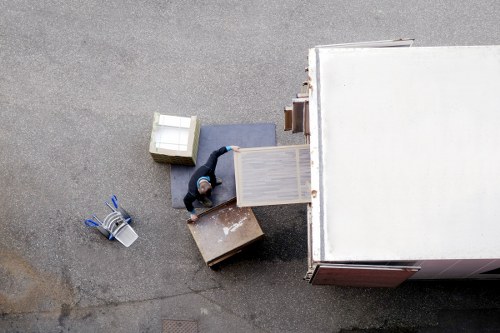
Not every move is a full household relocation, and the service range also includes storage support where belongings need to be held between properties or during a wider move. Storage is useful when dates do not line up neatly, when a property is being prepared, or when only part of the load is moving immediately. It can also help keep larger items out of the way while you decide what stays, what goes and what comes back later.
Our student removals service is suited to smaller inventories, seasonal moves and relocations where speed, simplicity and careful transport matter more than a large-scale vehicle setup. These moves often involve a mix of boxes, small furniture and personal items, so the service is designed to keep them together and move them efficiently. For customers with a limited load, a smaller practical arrangement can be more sensible than a full household move.
At this stage, it usually helps to decide which belongings are going immediately, which are going into storage and which can wait until later. That decision makes the loading order much easier to manage. It also helps if you know whether any items need protection from weather, stacking or vibration. Sorting the move by priority is one of the simplest ways to reduce stress and keep costs aligned with the work needed.
Vehicle choice, loading and route planning

The right vehicle matters because removals are not only about carrying items, but also about making sure they are loaded in a way that supports safe transport. Our removal van, removal truck hire and moving truck pages reflect different ways the job can be organised, depending on scale and access. Smaller loads can suit a van-based arrangement, while fuller homes or larger commercial jobs may need more capacity and a more structured loading pattern.
There are also broader service pages such as removals and removal services, which are useful when you want a general overview of the support available across different move types. For some customers, the main question is not whether the move is domestic or commercial, but how much handling is needed and how many items must be carried in one journey. In those cases, the service can be matched to the contents rather than to a label.
If you are unsure which option fits, keep the enquiry focused on the type of property, the larger items and the likely access conditions. That gives a much more useful starting point than trying to describe every object in detail. You can ask for a quotation once you have those basics ready, and then refine the plan from there. Simple facts, clear timing and the right vehicle are usually enough to shape a practical removal.
Planning your quotation and next steps
The easiest way to start is to gather a short outline of what needs moving, where it is going and whether there are any items that need special care. Our contact us page is the best final step when you are ready to request a quotation, but before that it can help to note the size of the property, the floors involved and any likely parking or access constraints. That gives a clearer basis for discussing the move without adding unnecessary detail.
You do not need to make the enquiry complicated. A short description of the property, the main furniture and the destination is often enough to begin. If you are comparing services, it can also help to note whether you need packing support, furniture handling, a van-based move or something larger. A concise outline helps keep the conversation useful and makes it easier to identify the right level of service for the job.
When you are ready, ask for your quotation and tell us what kind of removal you need in Chelsea. We can then look at the practical details and help you plan the move with a service that fits the work involved. Make the first step simple: share the essentials, ask for a price and move forward with confidence.